Dave Filoni's Original Ahsoka Tano Character Sketches
Artist: Dave Filoni · 2006
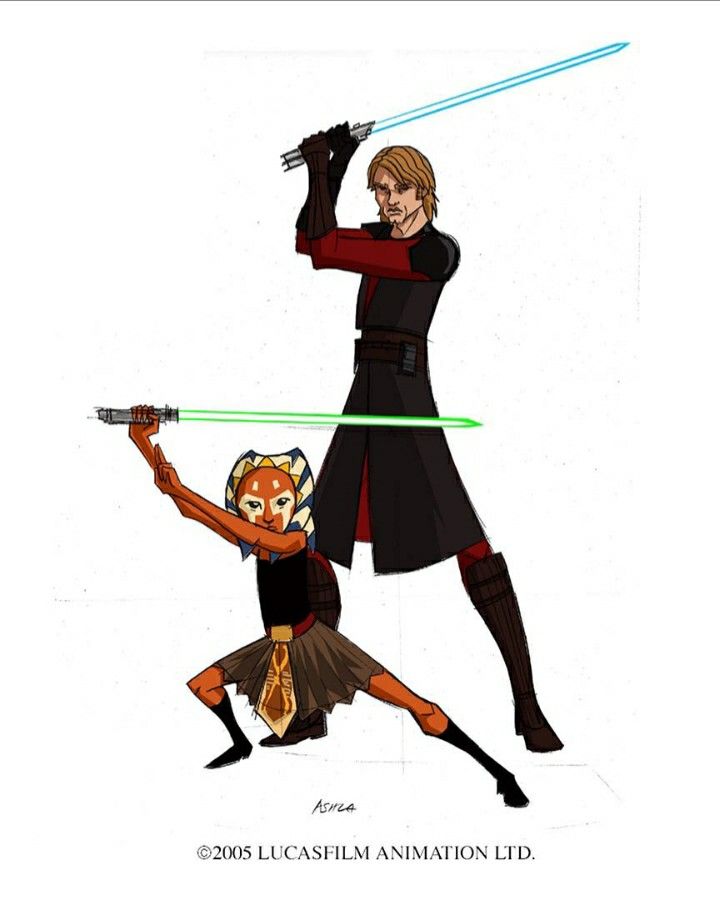
Before she became one of the most beloved characters in the Star Wars canon, Ahsoka Tano was a series of pencil sketches in Dave Filoni's notebook — uncertain, experimental, and full of possibility.
Dave Filoni's pencil sketches for Ahsoka Tano represent one of the most personal design journeys in Star Wars history. Unlike most character concepts, which pass through teams of artists and rounds of committee feedback, Ahsoka's earliest forms came from Filoni's own sketchbook — loose graphite drawings done during early Clone Wars development meetings in 2006, when the character was still called "Ashla" and her role in the series was far from settled.
The first sketches show a Togruta teenager with shorter montrals and a more angular face than the final design. Filoni was experimenting with how to convey youth and inexperience through silhouette alone — a critical challenge for a character who would need to read clearly in the simplified Clone Wars animation style. His notes in the margins reveal the thinking: "needs to look like she could trip over her own lightsaber" and "confident but not ready."
What makes these sketches extraordinary is their emotional specificity. Filoni wasn't just designing a character — he was working out a personality. One page shows eight different expressions, each annotated with the situation that would produce it: "told to stay behind," "first time in battle," "proving Anakin wrong." These weren't animation references; they were character studies in the literary sense, a writer-director thinking through pencil and paper.
George Lucas's feedback on the early sketches was minimal but decisive. He pushed for the facial markings to be bolder and the costume to incorporate more white, connecting Ahsoka visually to the clone troopers she would fight alongside. Lucas also suggested making her dual-wielding from the concept stage, a choice Filoni initially resisted but later acknowledged gave the character a distinctive combat silhouette that no other Jedi shared.
The surviving sketchbook pages — roughly thirty sheets, now held in Lucasfilm's animation archives — trace the full arc from uncertain doodle to finalized character sheet. They are a reminder that even in a franchise built on spectacle, some of the most important creative work happens at the smallest scale: one artist, one pencil, one character waiting to be found.